
Interactive gaming can turn movement into part of the play itself. Instead of relying only on buttons or a touchscreen, some experiences respond to a player’s position, gestures, pace or coordination. This connection between physical action and digital feedback changes how people take part, how they share a game and how they experience a leisure activity. In Ede, as in other towns, movement-based play sits within a broader mix of recreation and technology.
From input to experience
In a conventional game, a player’s actions are usually transmitted through a controller, keyboard or screen. Movement-based formats widen that range of input. A step, reach, turn or coordinated gesture can become a direct instruction, while sensors and software translate the action into a response on screen. The player’s body is therefore not just beside the game; it is one of the ways the game is played.
This design can make rules easier to grasp through action. A player learns how a system responds by moving and observing the result, then adjusts their next move. Digital feedback provides a clear connection between effort and outcome, whether the activity involves matching a rhythm, navigating a virtual space or responding to a moving target. The experience combines physical awareness with attention and decision-making.
Movement, pace and participation
Different activities invite different kinds of movement. Some call for brief gestures and precise timing, while others involve larger steps or sustained activity. A well-structured game makes its pace and physical demands understandable, allowing participants to choose how actively they engage. Options for individual play and shared rounds can also help accommodate varied interests and levels of experience.
Movement changes the social rhythm of gaming, too. Participants may take turns, cooperate toward a shared score or respond to one another’s actions. Watching can be part of the activity: spectators follow the movement on screen and anticipate what a player will do next. These features make interactive play suitable for groups, where conversation and shared attention develop alongside the game itself.
Interactive gaming in the local setting
Local leisure choices are shaped by the people who use them, the spaces available and the kinds of activities that fit into everyday schedules. In Ede, movement-based gaming can be considered alongside sports, recreation and other digital entertainment, with each offering a different balance of physical activity and screen-based interaction. For residents exploring the local context, instagamesede.nl/ provides an online reference point connected with interactive gaming in Ede.
The setting influences how movement is experienced. Room to move, clear instructions and a layout that allows others to observe can support comfortable participation. The design of a session also matters: short rounds offer a quick introduction, while longer play can give participants time to build familiarity with the controls and develop a strategy. These practical elements help connect the digital game to the physical environment.
Designing for different players
Accessible movement-based play benefits from choices in intensity, pace and control. Clear visual cues, adjustable settings and more than one way to respond can make an experience understandable to a wider range of participants. Designers also consider how to keep feedback timely, since a visible response helps players connect an action with its effect. These principles apply across ages and experience levels, while leaving room for challenge as familiarity grows.
A changing form of play
As motion-sensing technology and interactive displays develop, games continue to explore new relationships between bodies and digital environments. The central idea remains straightforward: movement gives players an active role in shaping what happens. In Ede, this perspective offers a useful way to understand interactive gaming—not simply as screen time, but as a form of play in which physical action, digital response and shared participation work together.
शहर
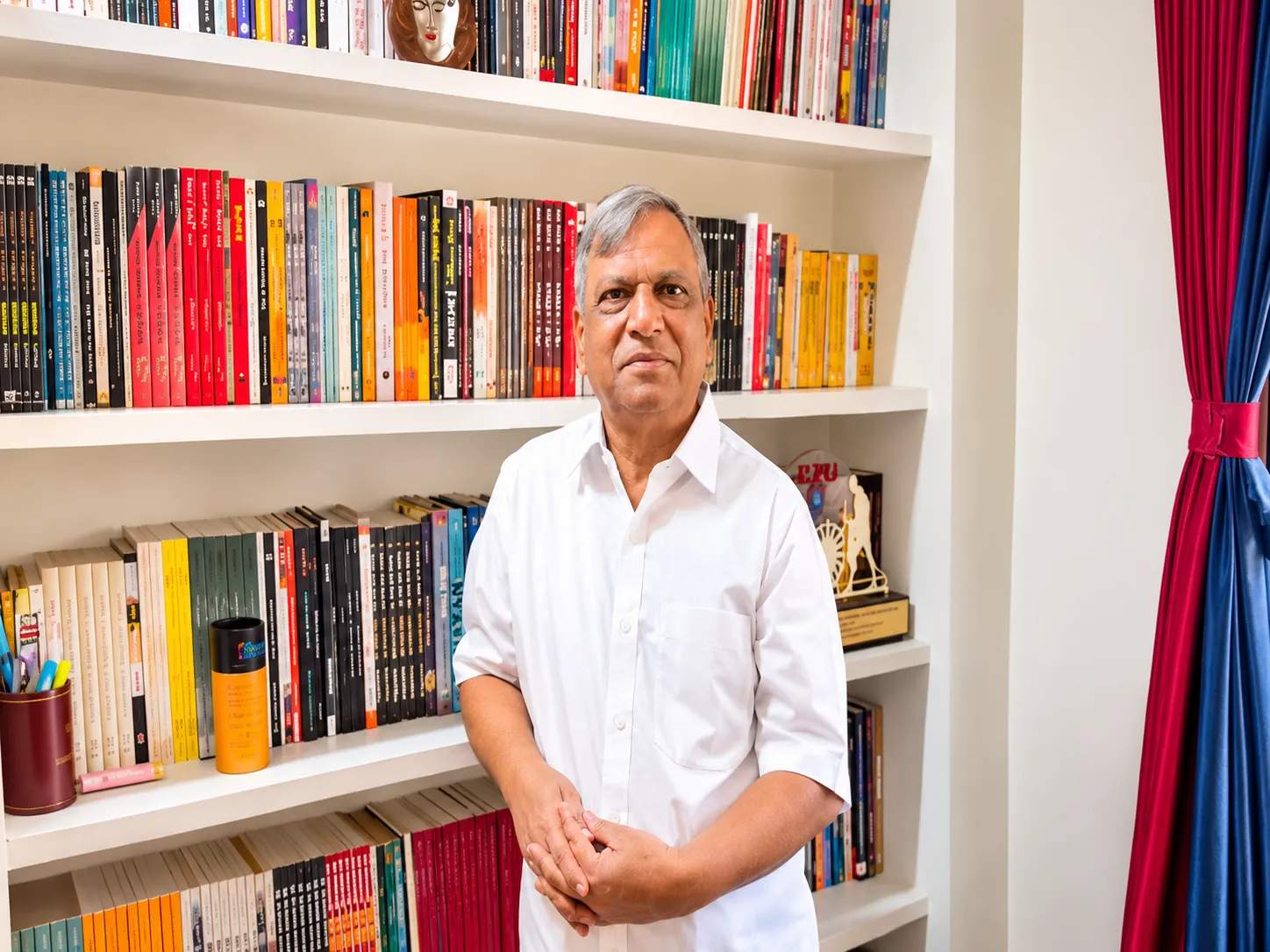
- पुणे: शंभराव्या मराठी साहित्य संमेलनाच्या अध्यक्षपदी डॉ. शरणकुमार लिंबाळे यांची निवड; दुष्काळाच्या पार्श्वभूमीवर संमेलन साधेपणाने होणार!
- मुंबई: पदपथ मोकळे झाले पण काही दिवसांतच पुन्हा तेच फेरीवाले! महापालिकेच्या कारवाईवर नगरसेवकाचा 'लाचेचा' थेट सवाल!
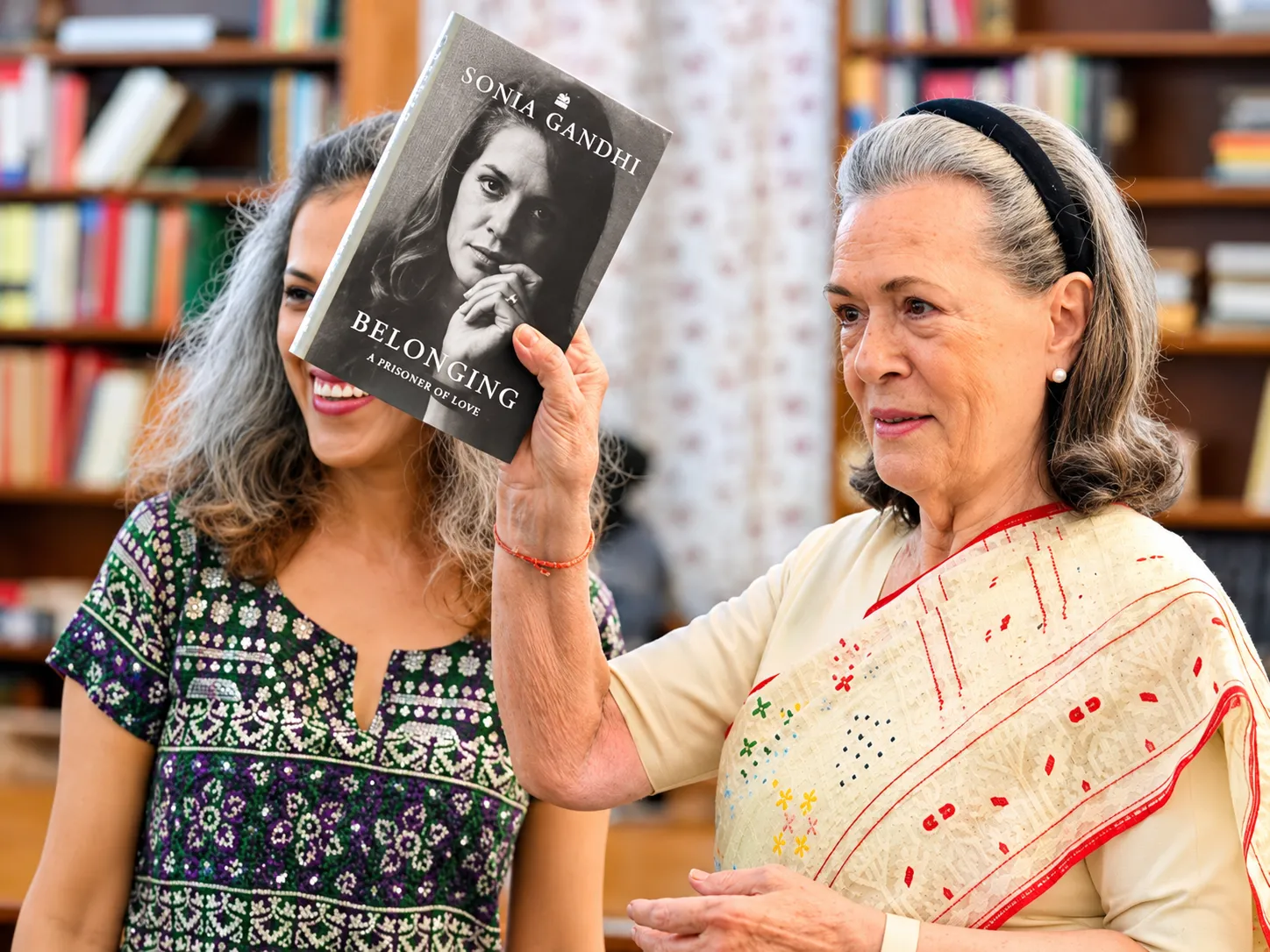
- पुणे: 'बिलाँगिंग : अ जर्नी ऑफ लव्ह' पुस्तकातील सावरकरांवरील उल्लेखावरून सोनिया गांधींना कायदेशीर नोटीस
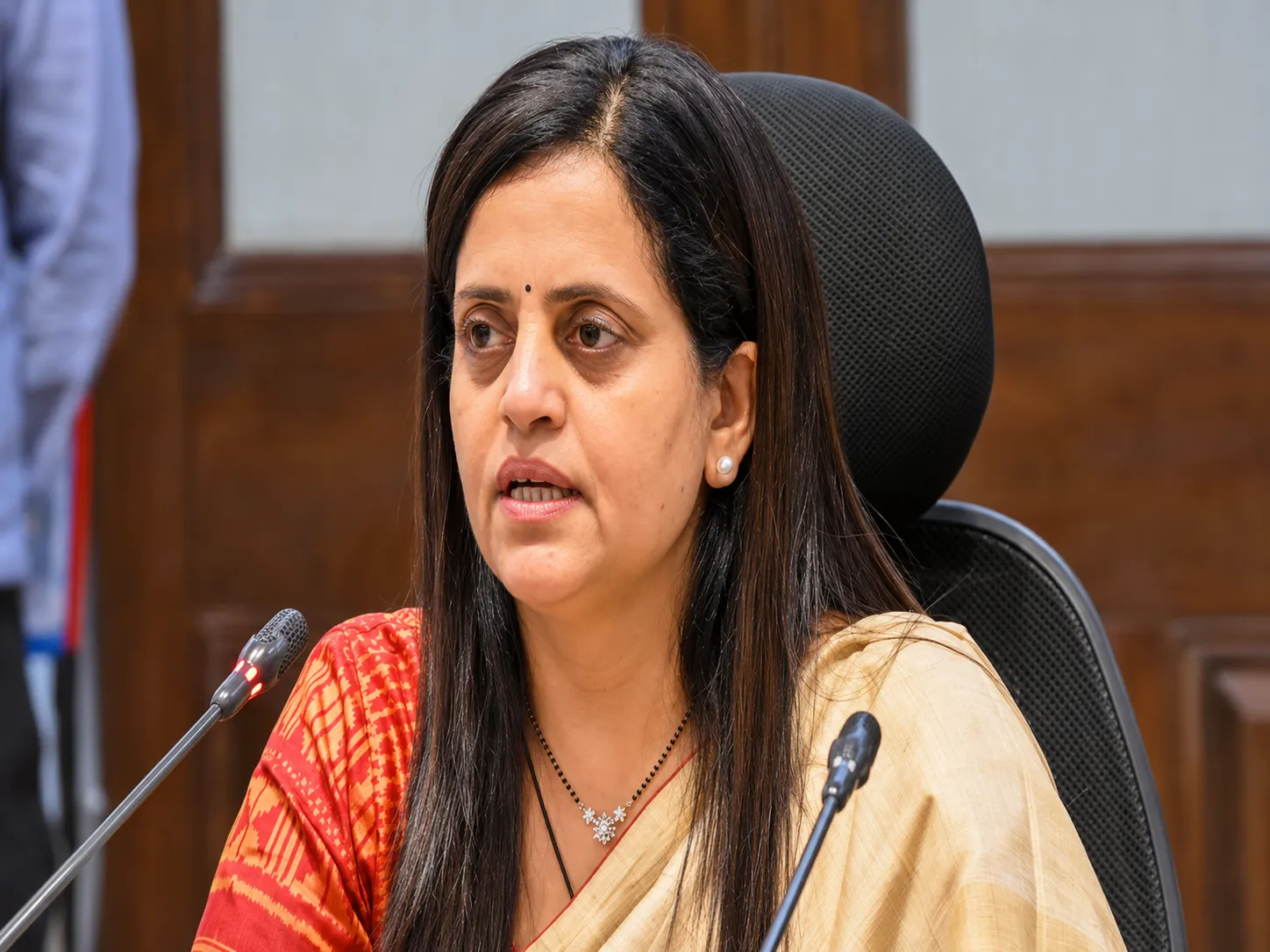
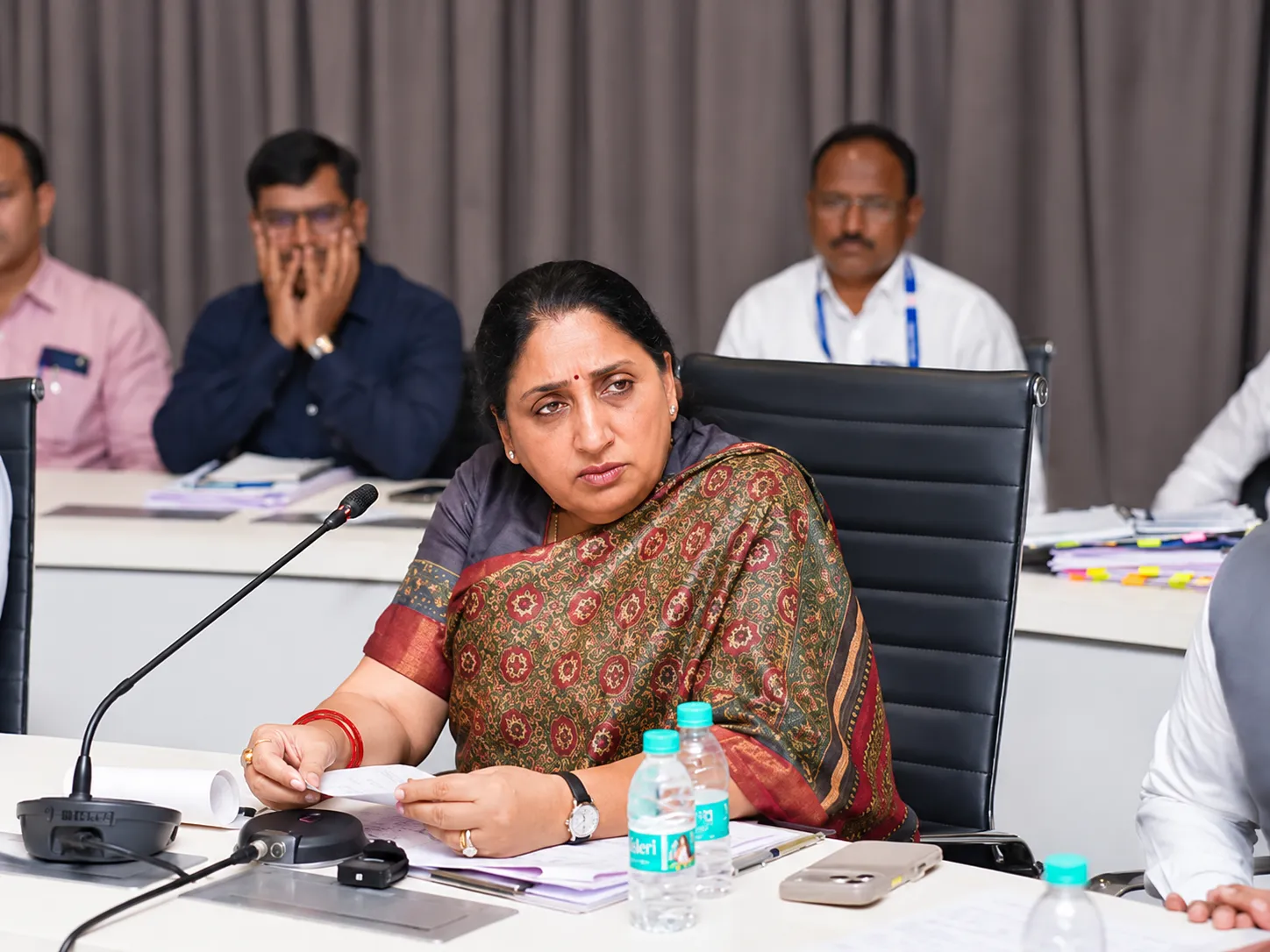
- पुणे: ग्रँड टूर साठी प्रशासनाचा वेगवान 'गियर'; रस्ते, वाहतूक, सुरक्षा आणि वैद्यकीय नियोजनाचे सुनेत्रा पवार यांचे सक्त निर्देश!
महाराष्ट्र
- पुणे: शंभराव्या मराठी साहित्य संमेलनाच्या अध्यक्षपदी डॉ. शरणकुमार लिंबाळे यांची निवड; दुष्काळाच्या पार्श्वभूमीवर संमेलन साधेपणाने होणार!
- मुंबई: पदपथ मोकळे झाले पण काही दिवसांतच पुन्हा तेच फेरीवाले! महापालिकेच्या कारवाईवर नगरसेवकाचा 'लाचेचा' थेट सवाल!
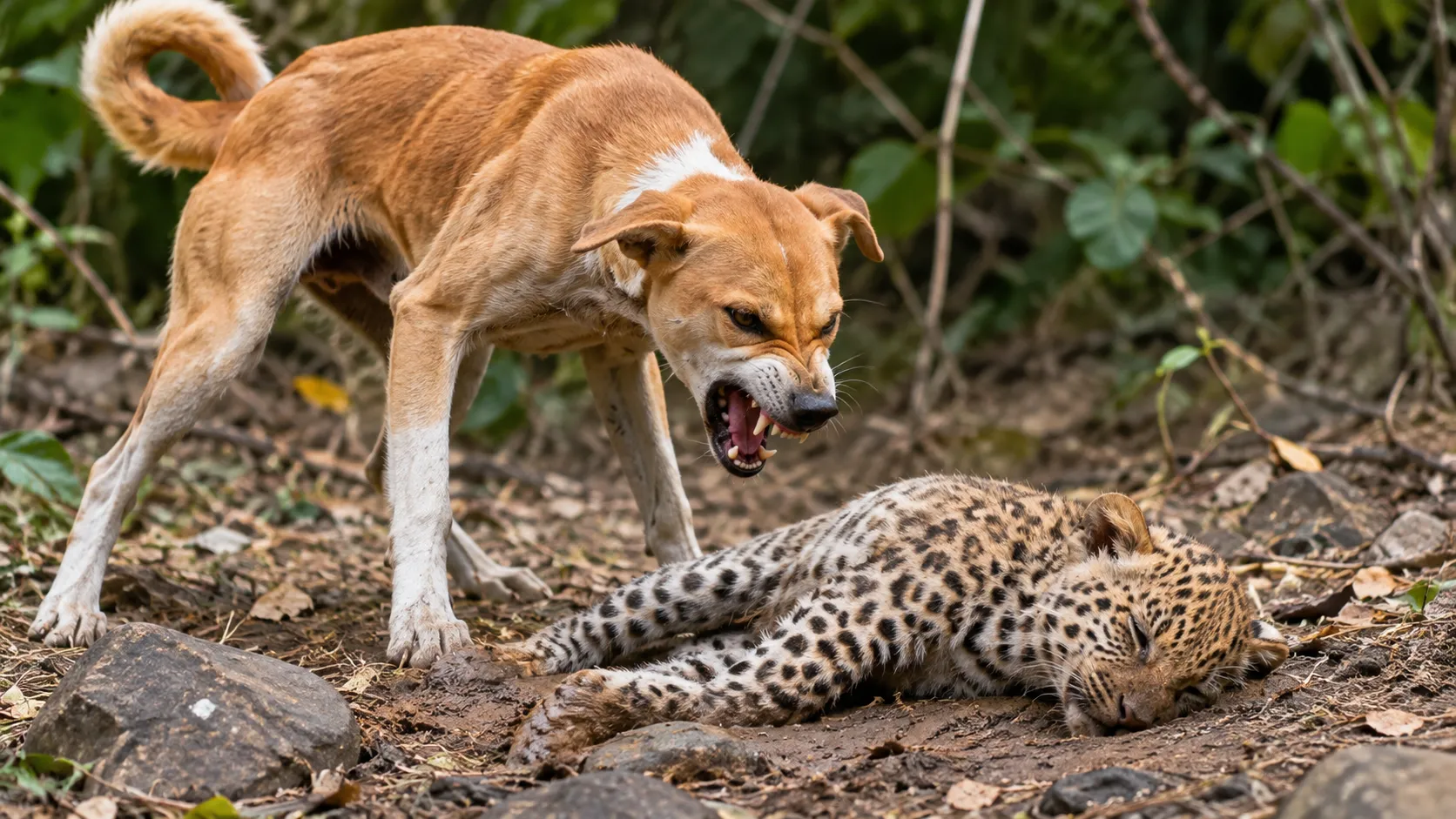
- बीड: 'खून का बदला खून'! बिबट्याने पिलाला मारले, संतापलेल्या कुत्रीने थेट बिबट्याचा शावक संपवला!
- पुणे: ग्रँड टूर साठी प्रशासनाचा वेगवान 'गियर'; रस्ते, वाहतूक, सुरक्षा आणि वैद्यकीय नियोजनाचे सुनेत्रा पवार यांचे सक्त निर्देश!
गुन्हा
- यवतमाळ: घाटंजी येथे ग्रामपंचायत अधिकाऱ्याचे टोकाचे पाऊल; भाड्याने राहत असलेल्या खोलीत घेतला गळफास, परिसरात खळबळ
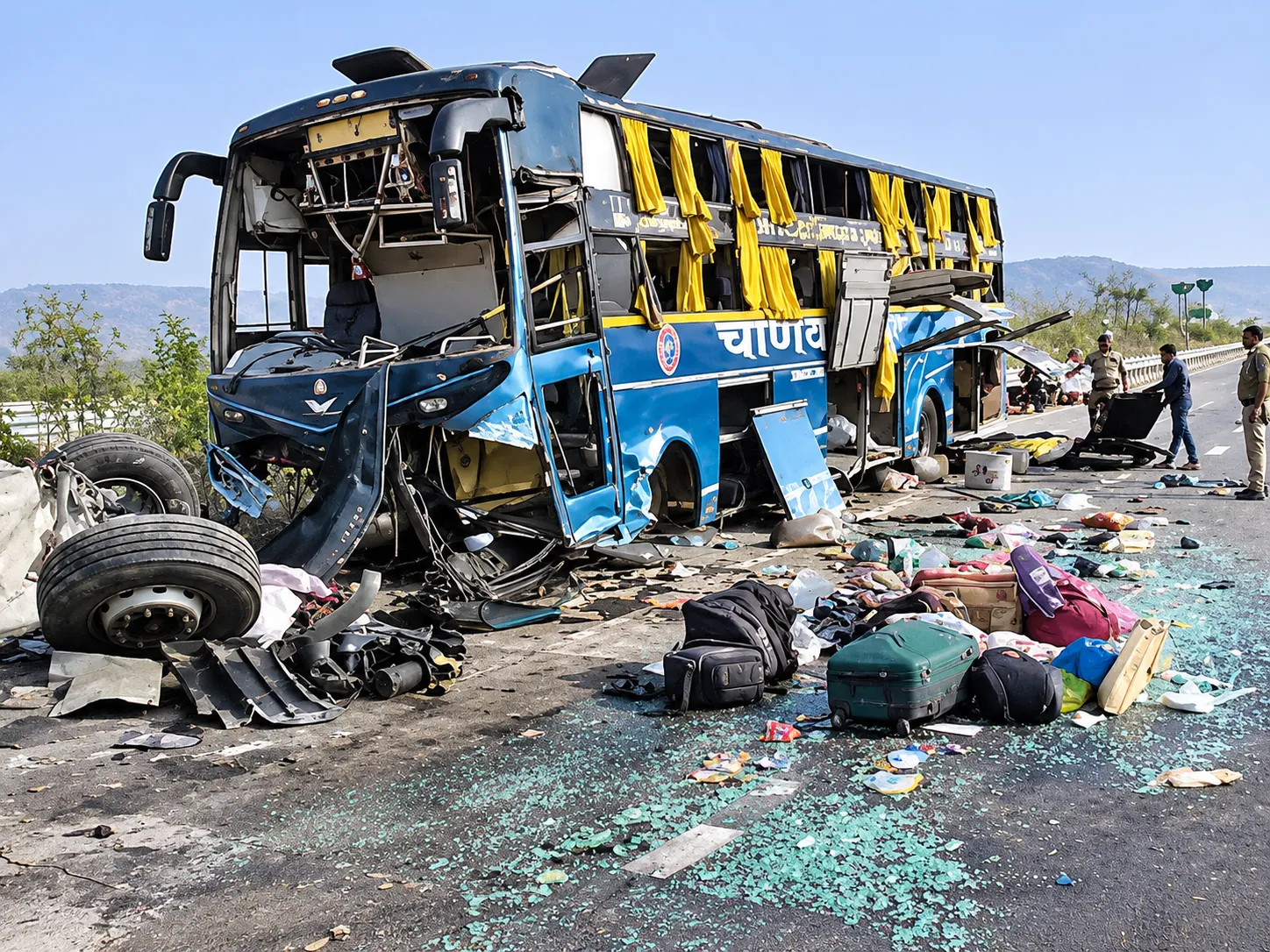
- छत्रपती संभाजीनगर: समृद्धी महामार्गावर सावंगी जवळ भीषण अपघात: चालकाला डुलकी लागल्याने ट्रॅव्हल्स उलटली; दोघांचा मृत्यू, ३० प्रवासी जखमी!
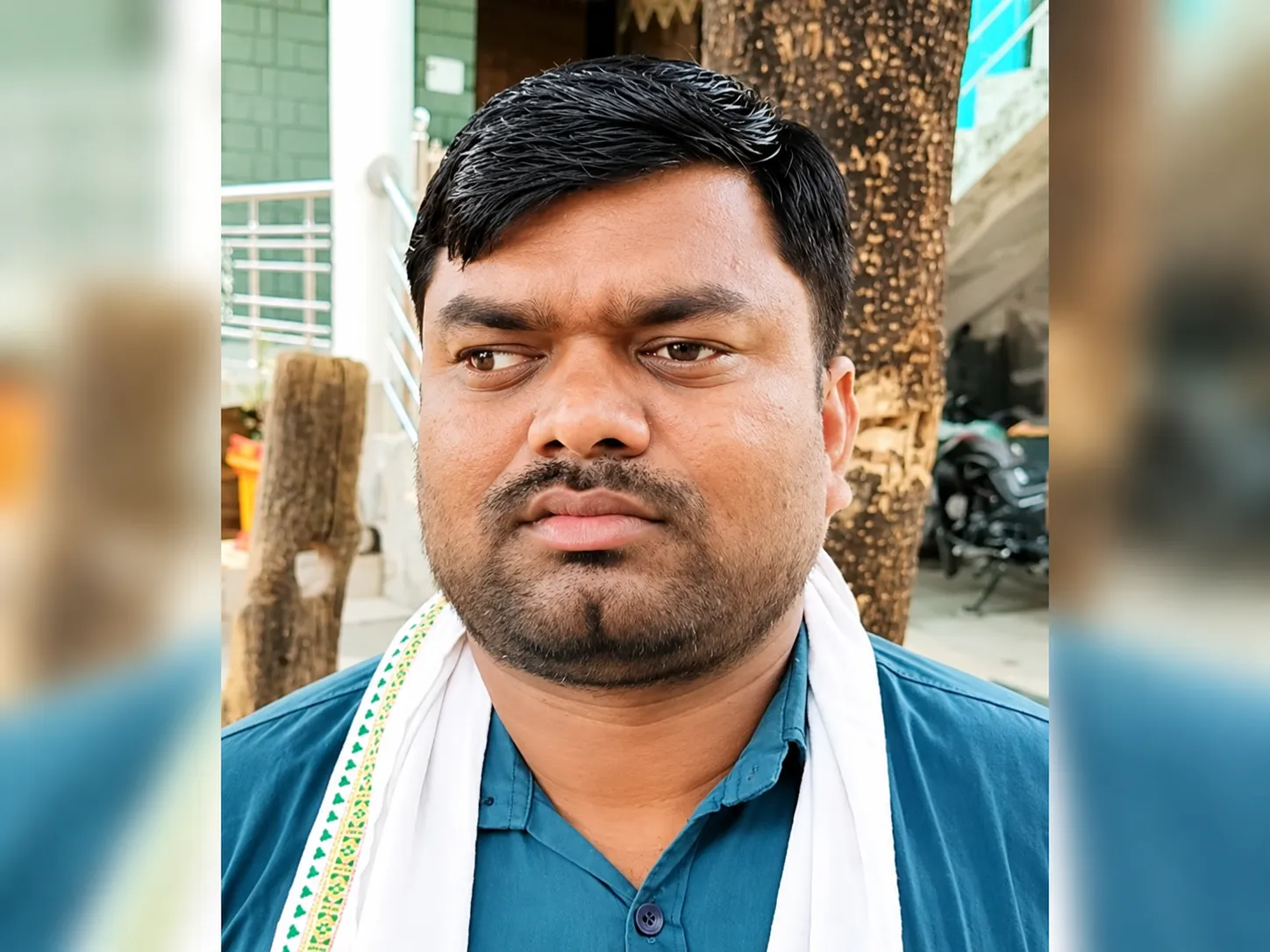
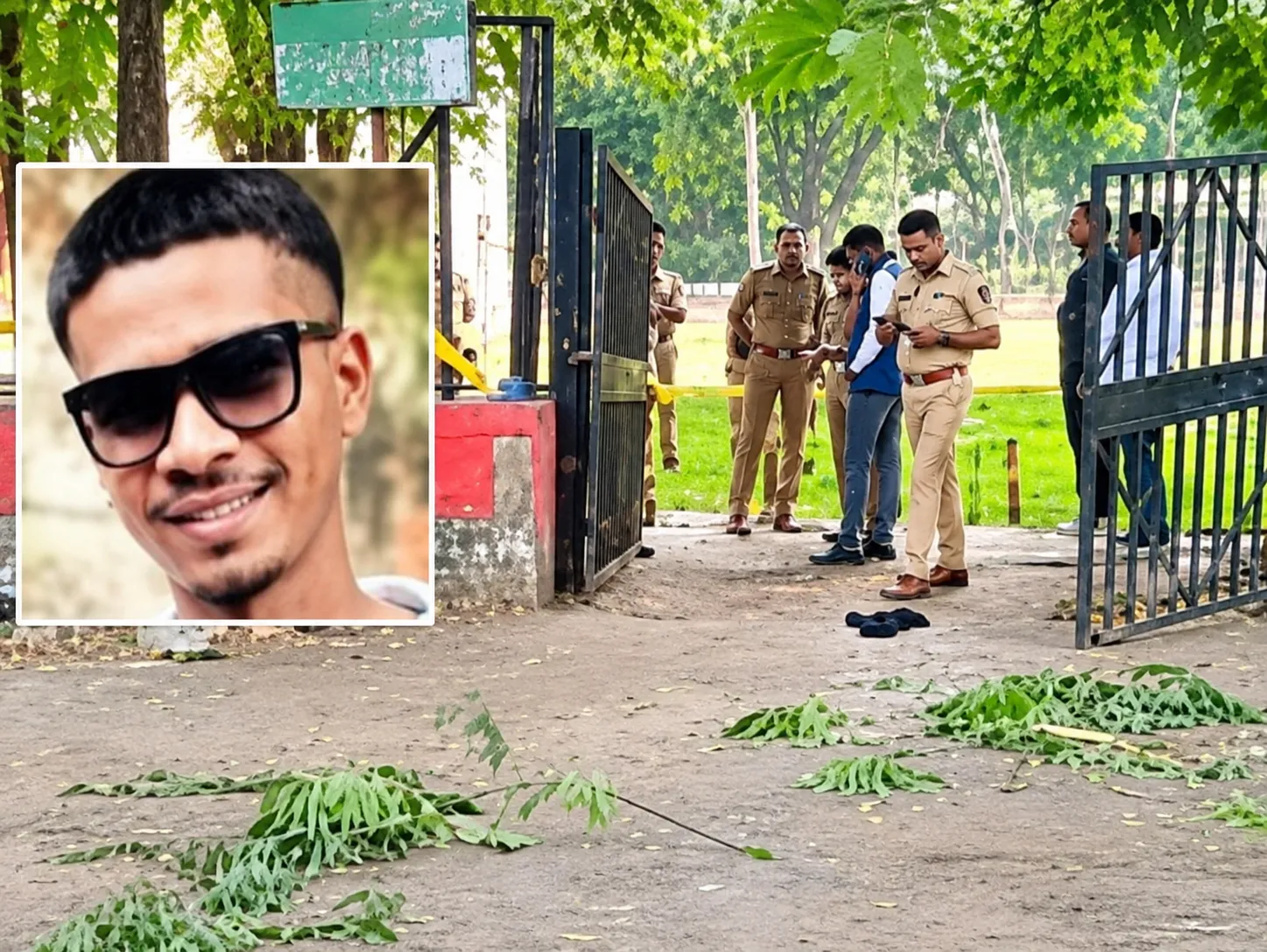
- नाशिक: १८ वर्षीय विद्यार्थ्याची मित्रांनीच दगड आणि धारदार शस्त्राने वार करून केली निर्घृण हत्या; चौघे संशयित ताब्यात
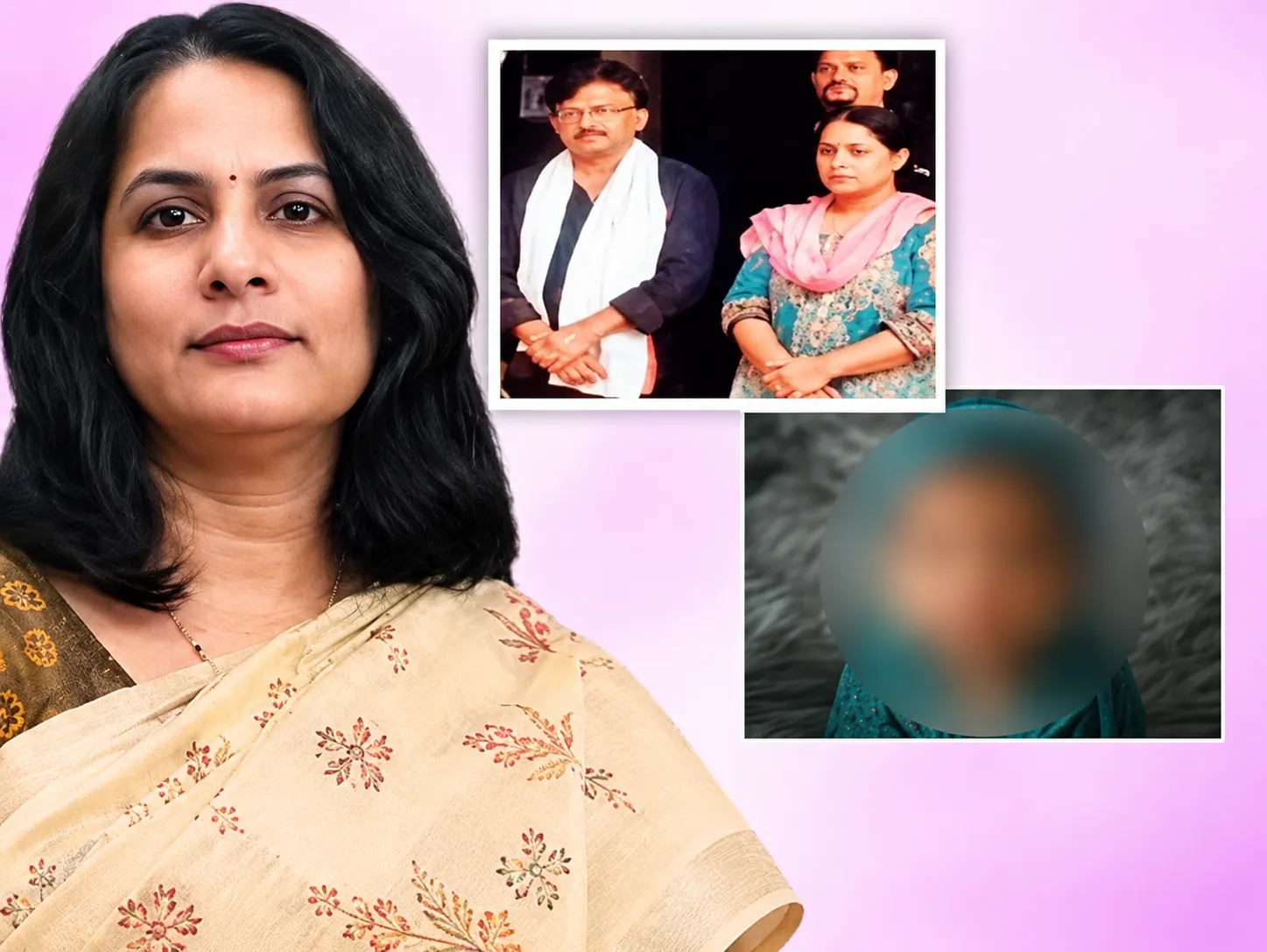
- अमरावती: बाळ विक्री प्रकरणाचे धागेदोरे अकोल्यापर्यंत! चौथे बालक सुखरूप ताब्यात, दाम्पत्याला अटक; तपासातून धक्कादायक खुलासे
राजकीय
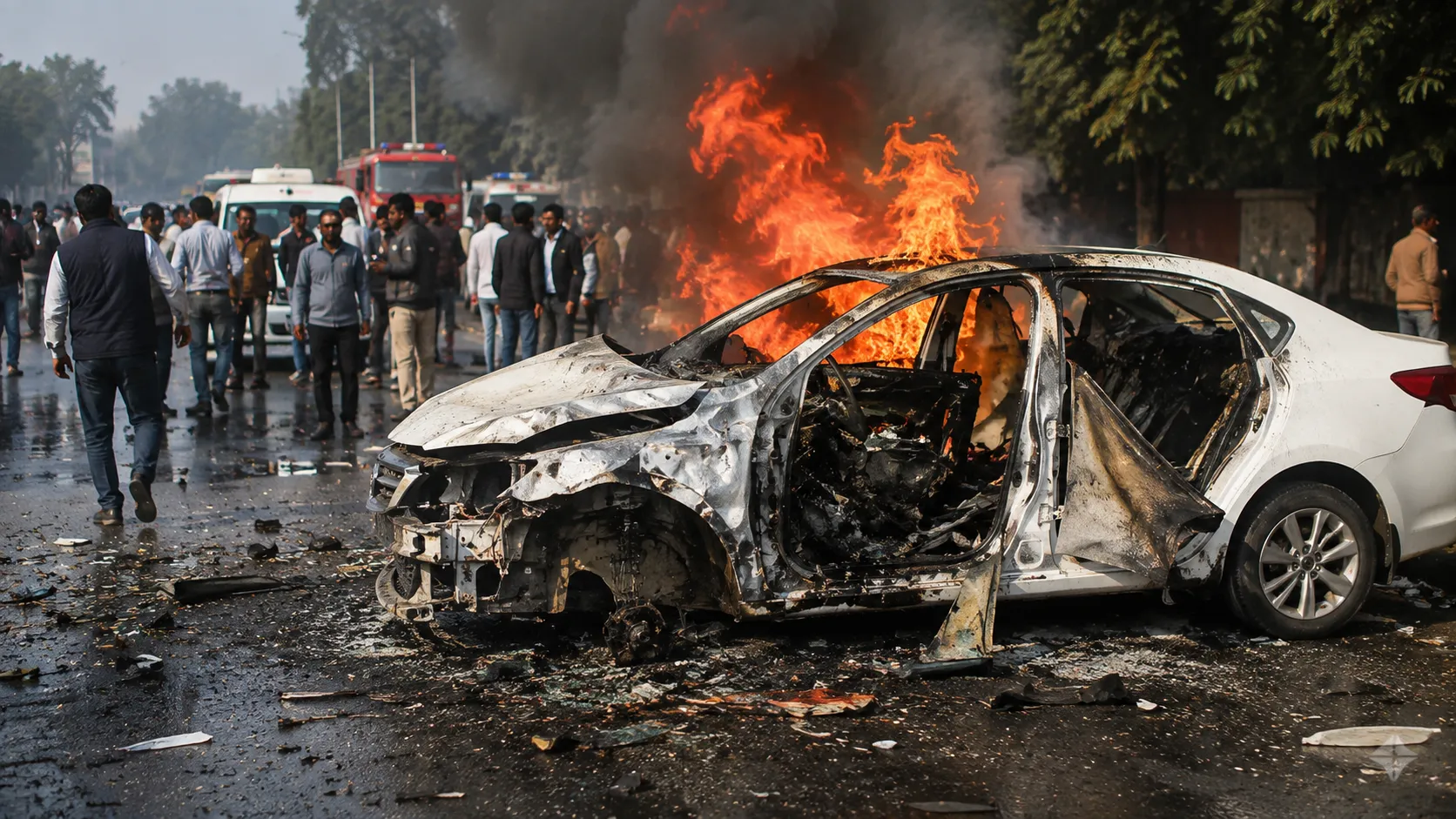
- नवी दिल्ली: धावत्या कारमध्ये सीएनजीचा भीषण स्फोट; २ आमदारांसह ६ जण जखमी!
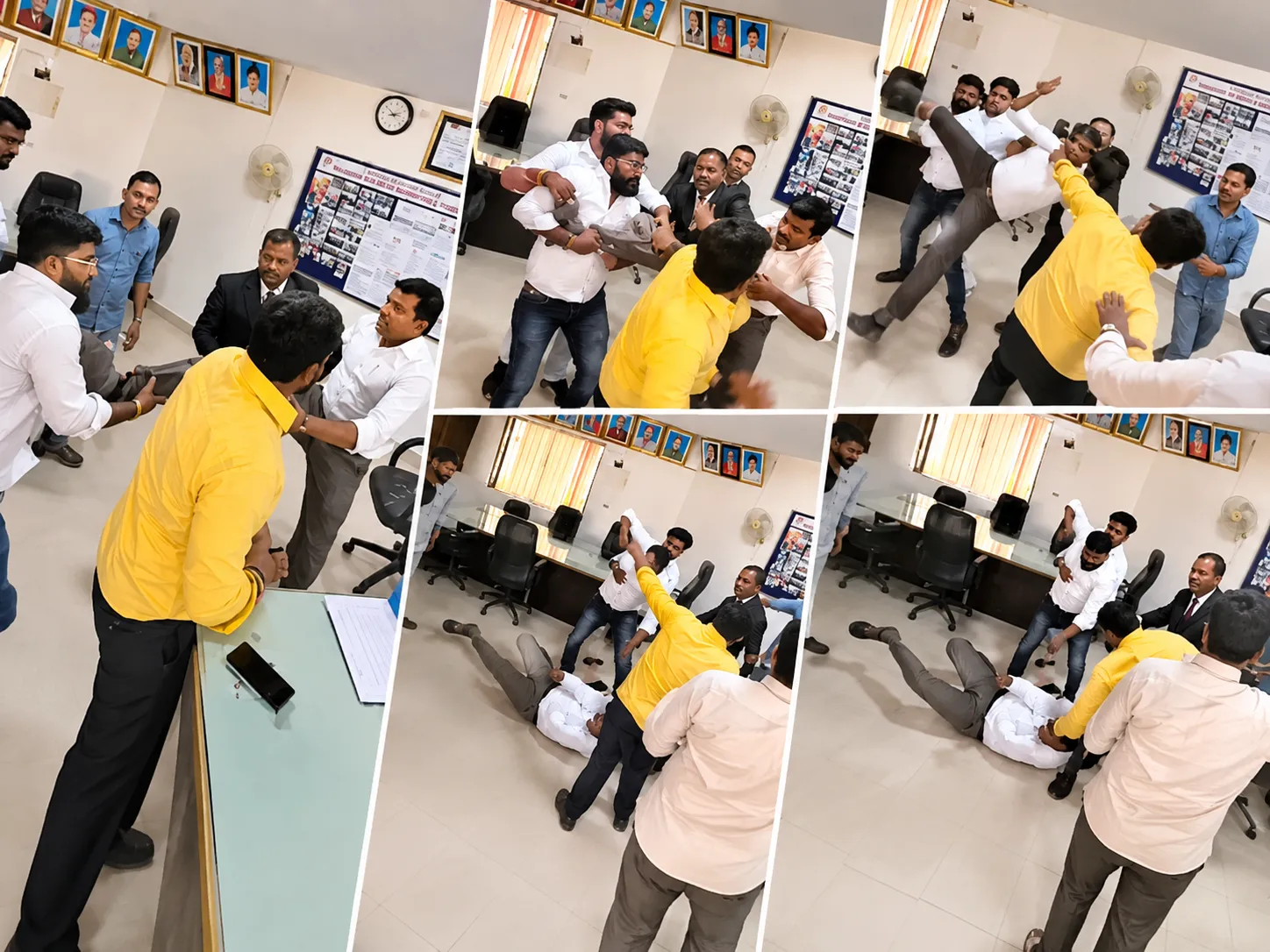
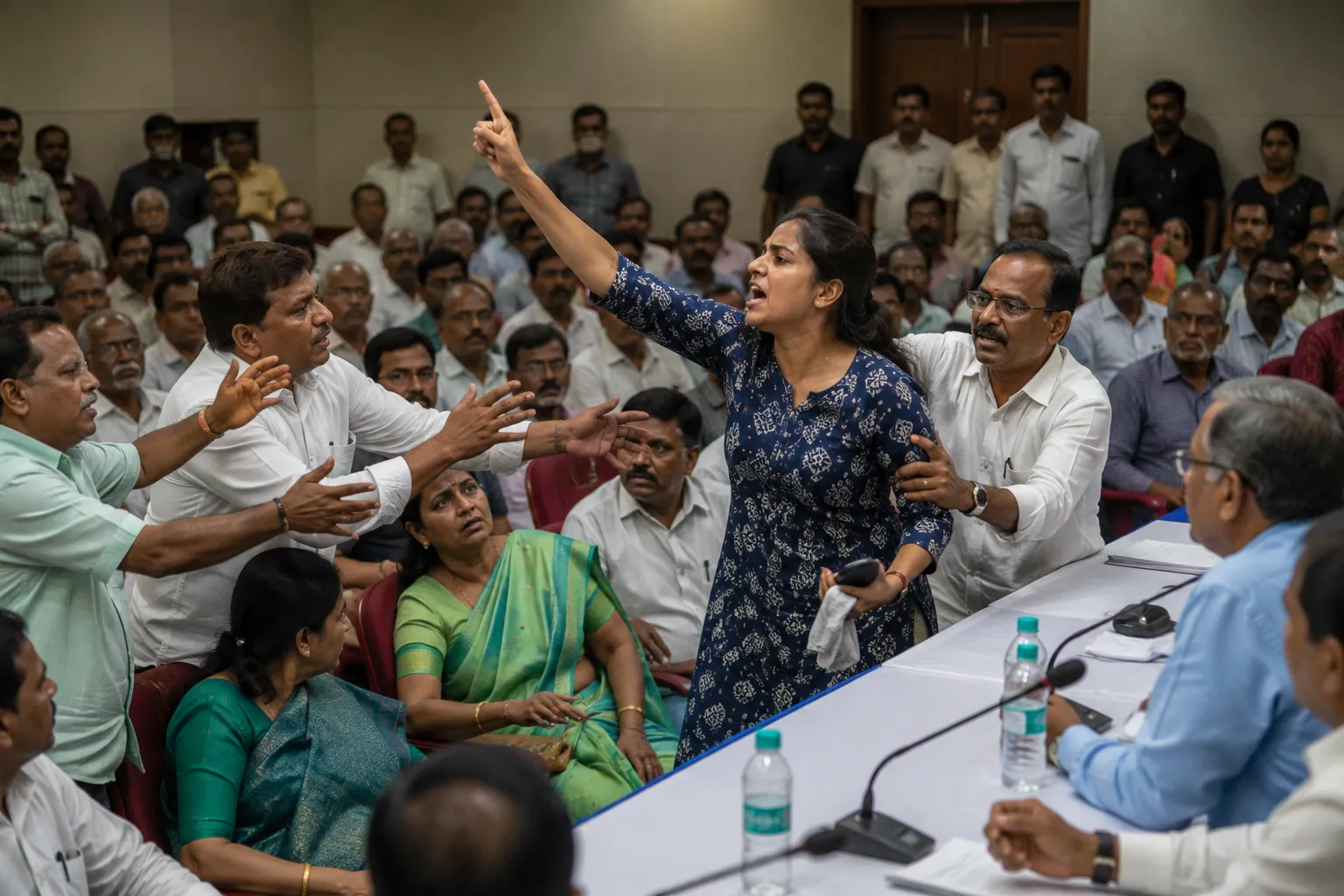
- पुणे: लग्नाचं आमिष दाखवून फसवणूक केल्याचा आरोप करत महिलेचा सर्वसाधारण सभेत आत्मदहनाचा प्रयत्न
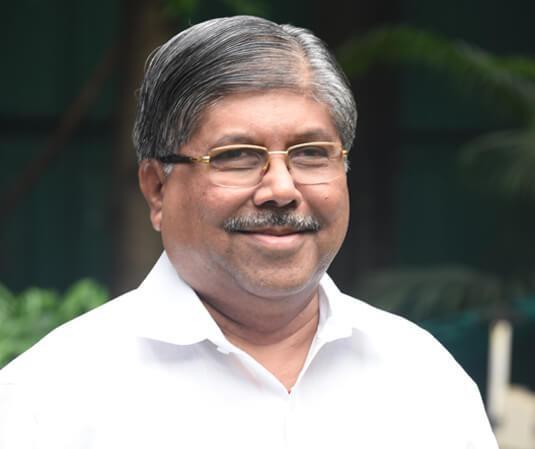
- मुंबई: 'आंबा चोरला म्हणून फाशी नसते, नीट पेपरफुटीवर चंद्रकांत पाटलांचं वादग्रस्त वक्तव्य; मूल गमावलेल्या आईला लेकरू कुठल्या बाजारातून आणाल? काँग्रेस-मनसेचा संताप'
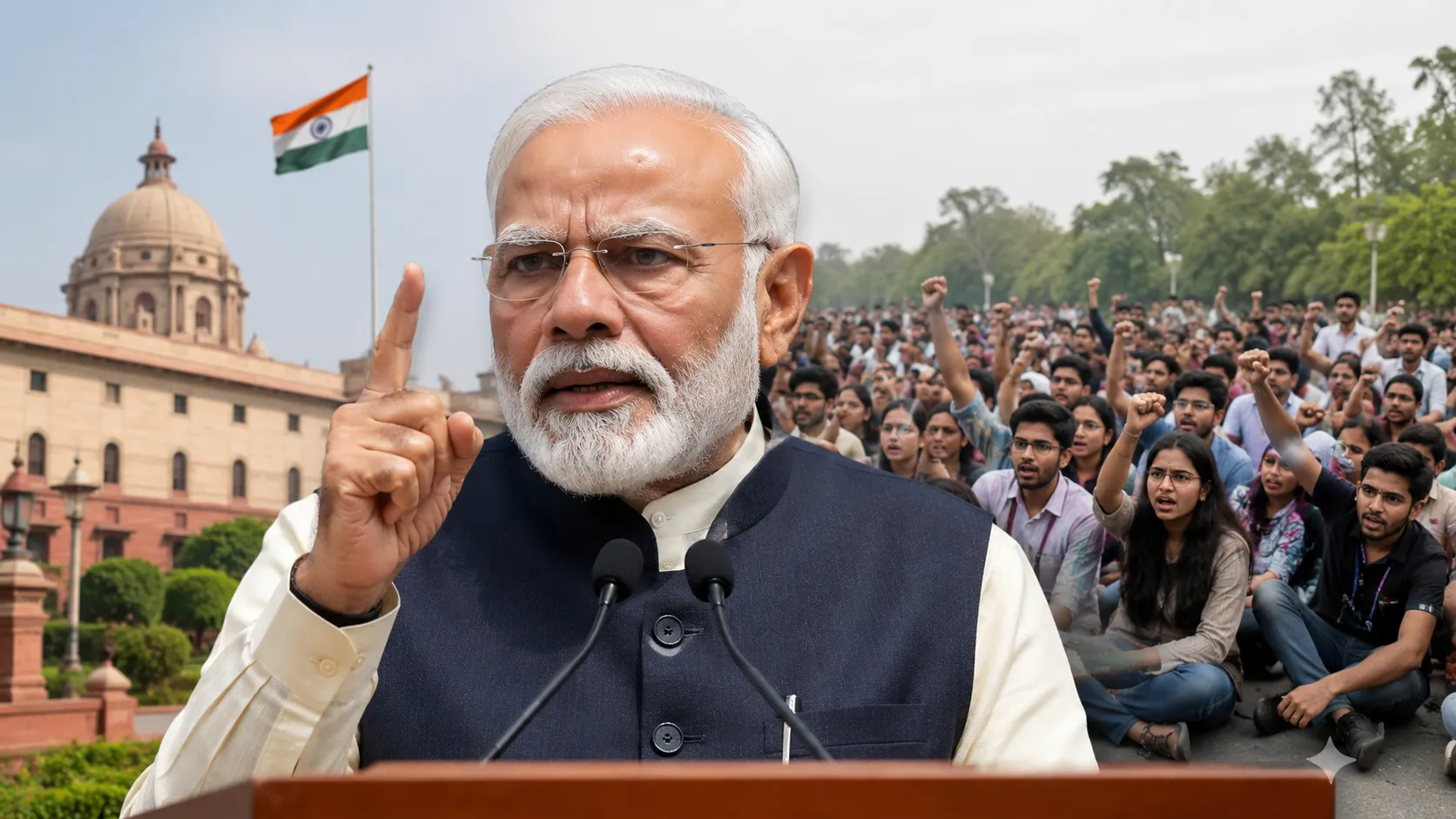
- नवी दिल्ली: पंतप्रधान मोदींचं सीजेपी आंदोलनावर मोठं भाष्य, 'युवकांच्या भविष्याशी खेळणाऱ्यांना सोडणार नाही, कठोर कारवाईचा इशारा!'
इतर
- कुलदेवतेची लाभणार खंबीर साथ; २३ नोव्हेंबर २०२६ रोजी कोणत्या राशींची रखडलेली कामे मार्गी लागणार आणि कोणाच्या नशिबाचे दार उघडणार?
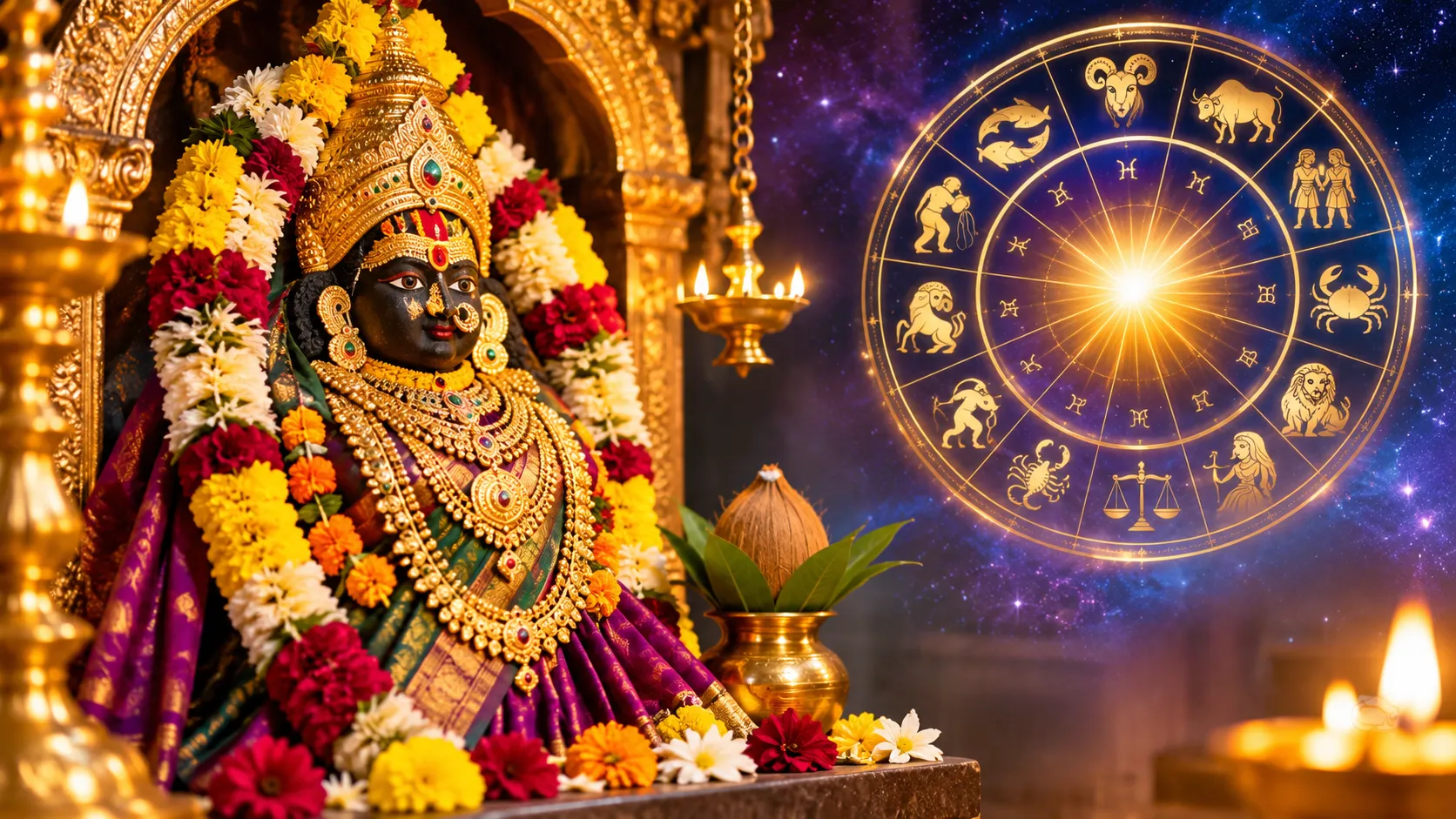
- आजचे राशिभविष्य १७ नोव्हेंबर २०२६: सूर्य आणि मंगळ करणार राजयोग निर्माण, या राशींचे नशीब फळफळणार!

- आजचे राशिभविष्य १७ नोव्हेंबर २०२६: सूर्य आणि मंगळ करणार राजयोग निर्माण, या राशींचे नशीब फळफळणार!

- आजचे राशिभविष्य १४ नोव्हेंबर २०२६: बुधादित्य योग आणि शनिकृपेमुळे या राशींचे नशीब उजळणार, जाणून घ्या काय सांगते तुमचे भविष्य!

मनोरंजन
- 'ईथा' चित्रपटावरून नवा वाद; विठाबाई नारायणगावकर यांच्या कुटुंबीयांचा तीव्र आक्षेप
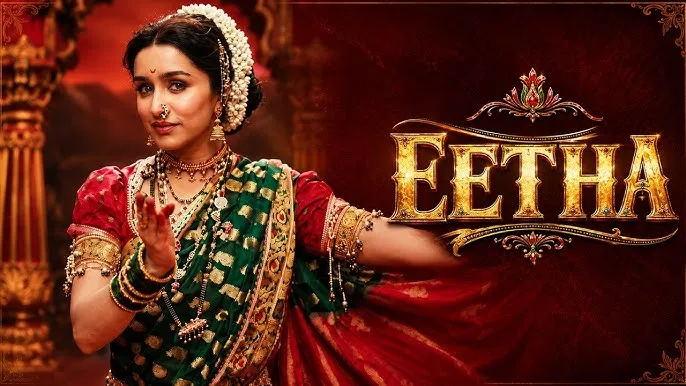
- ओटीटीवर दाखल झाला 'खालिद के शिवाजी'; छत्रपती शिवाजी महाराजांच्या विचारांचा अनोखा प्रवास आता घरबसल्या अनुभवता येणार!
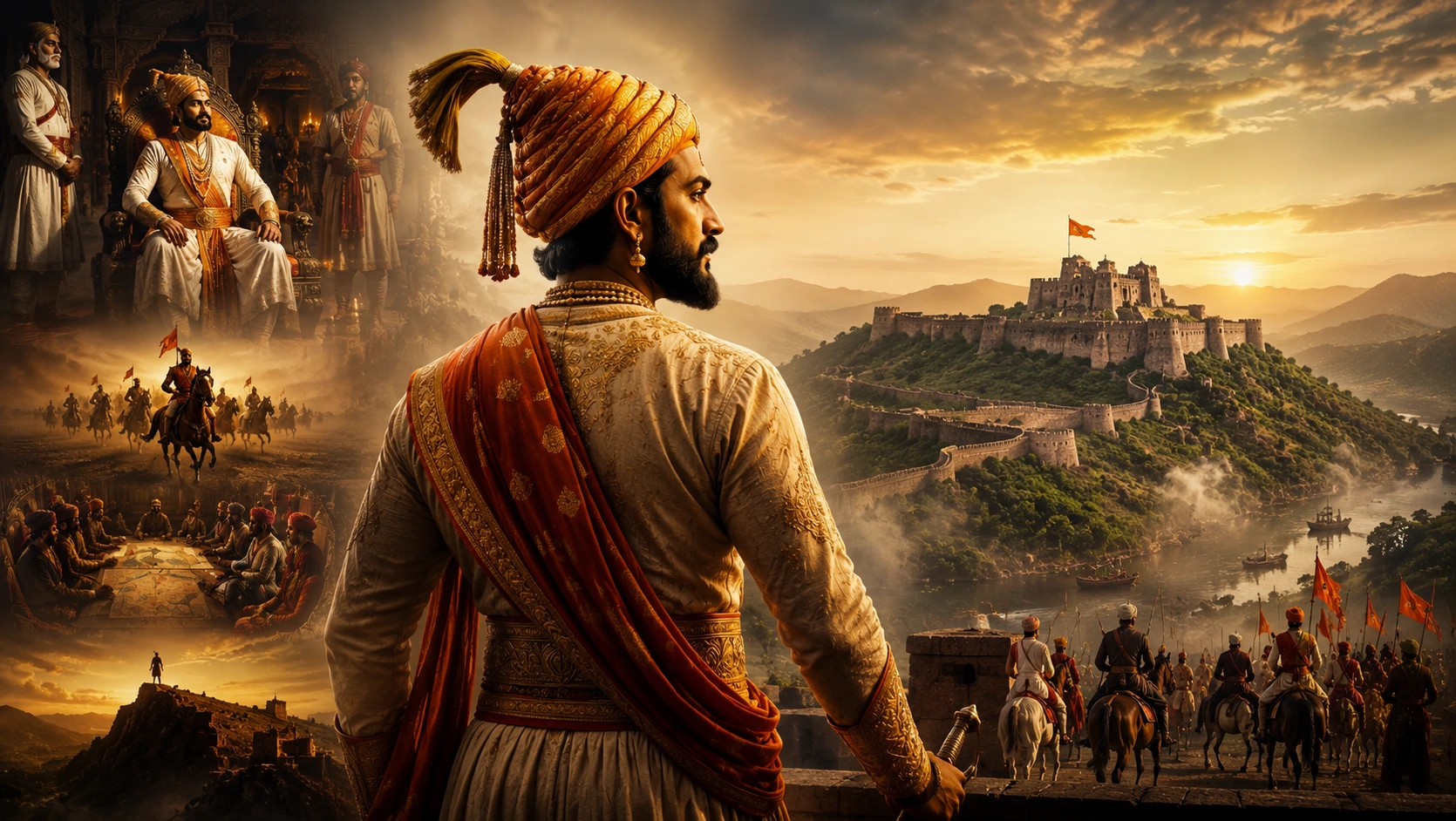
- मनोरंजन: दिलजीत चा चित्रपट वादाच्या भोवऱ्यात,काय आहे कारण ?
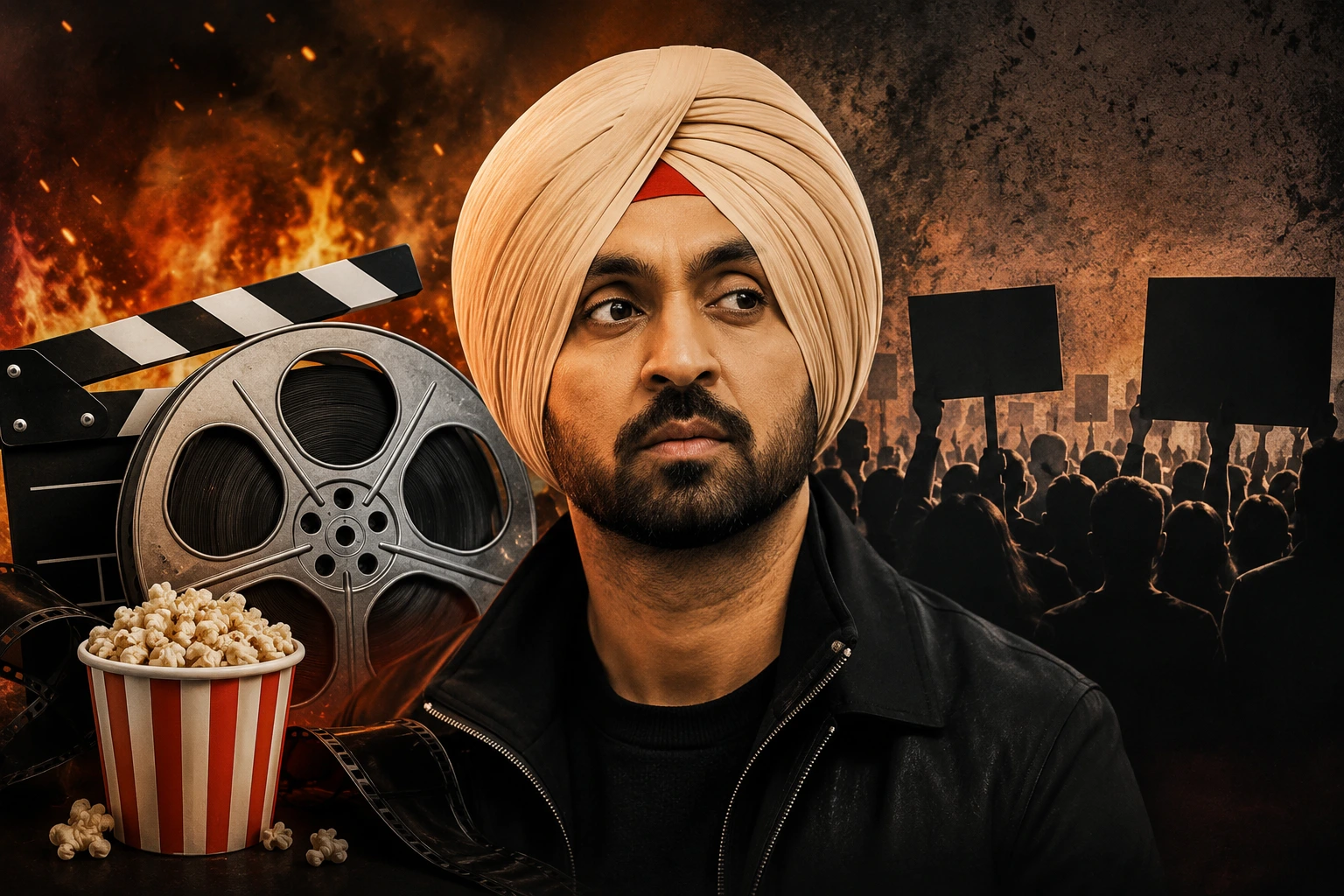
- मराठी हॉरर -कॉमेडी चित्रपट 'भूतम भयम्'!! अभिनेत्री छाया कदम यांचा भीतिदायक लूक समोर

 Subscribe to my channel


देश विदेश
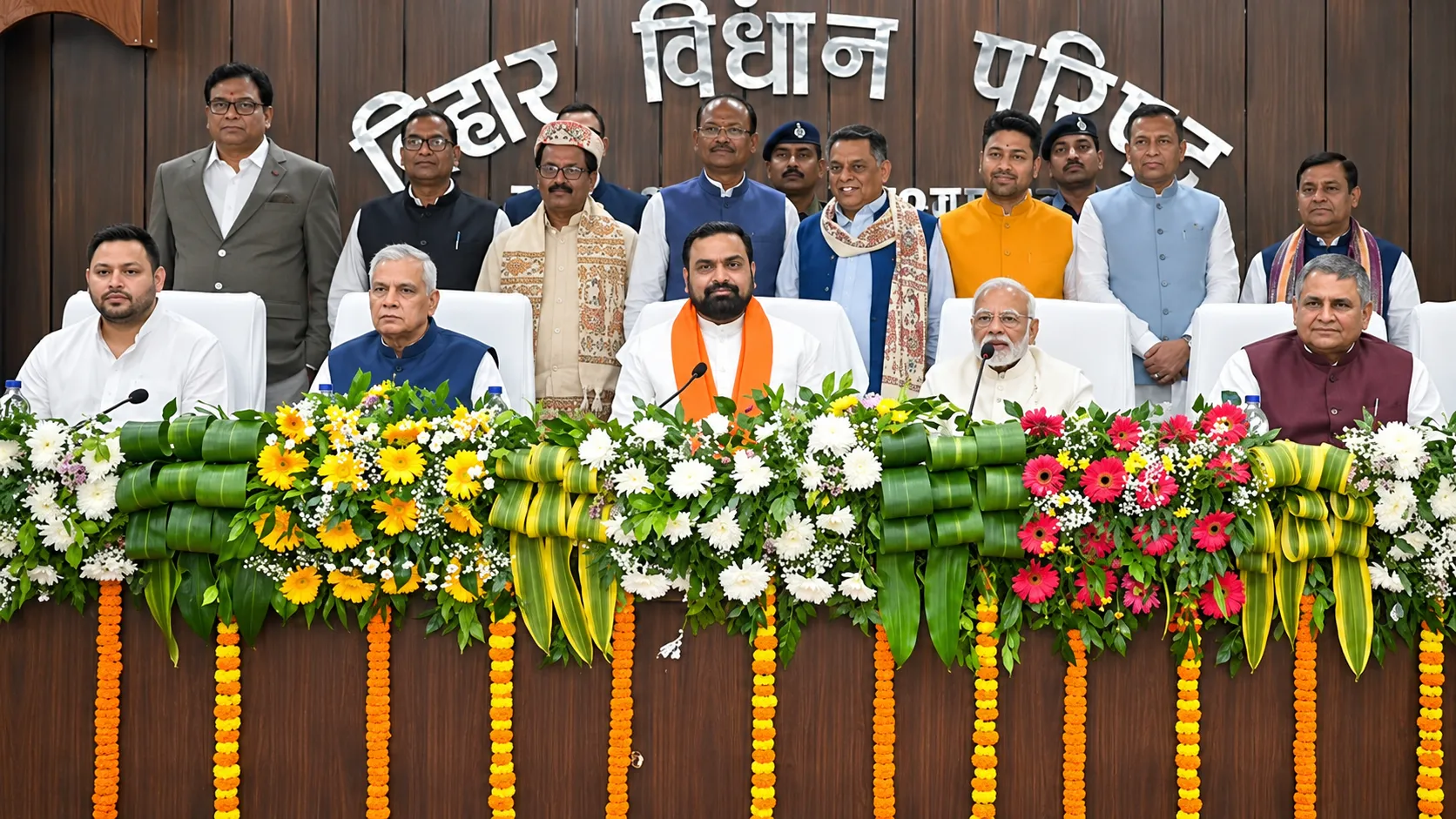
- कोलकाता: 'पश्चिम बंगाल'चे नाव बदलून 'पश्चिम बंग' करण्याची तयारी; मुख्यमंत्री सुवेंदू अधिकारी यांची मोठी घोषणा, विधानसभेत प्रस्ताव मांडणार!
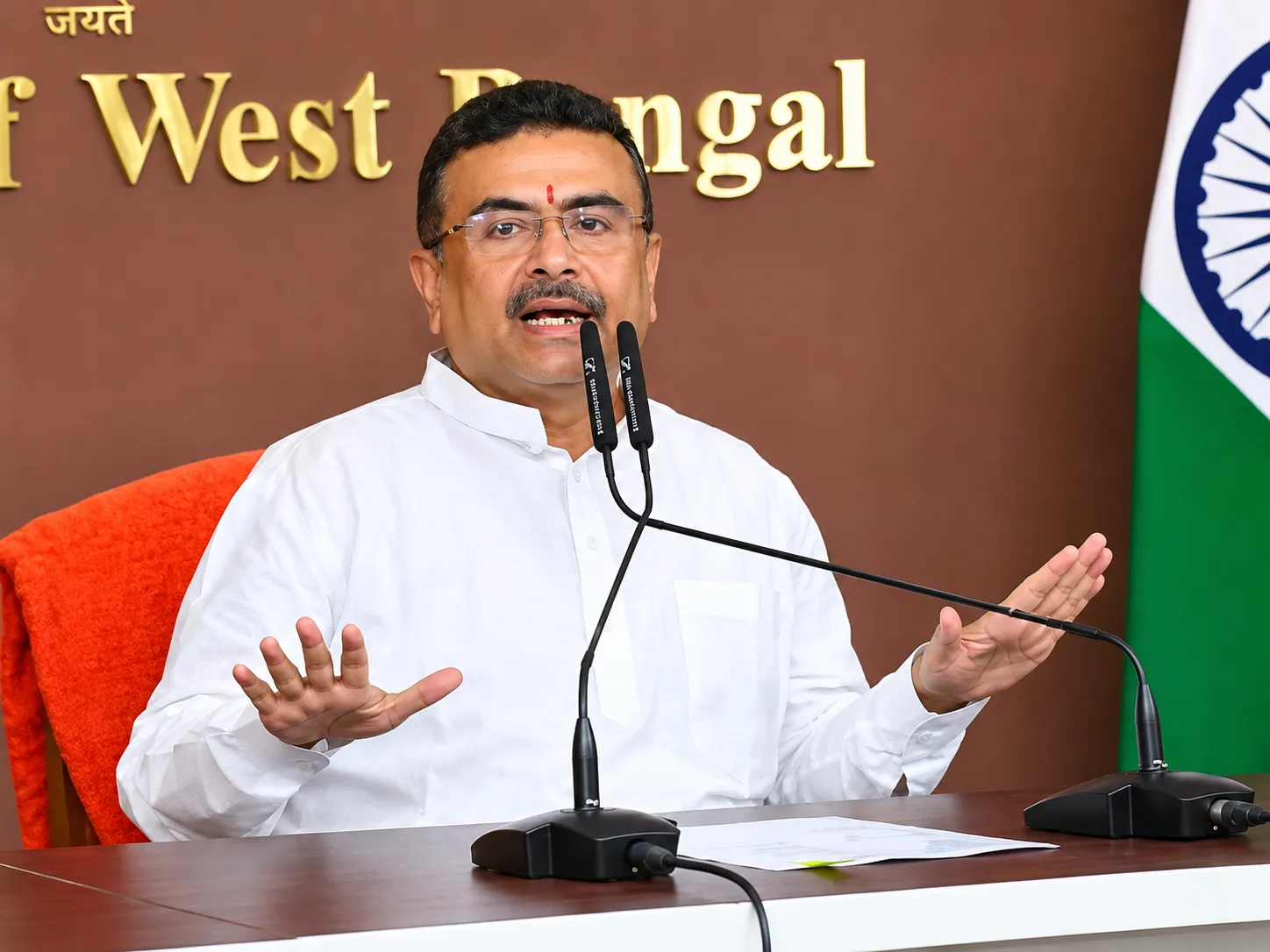
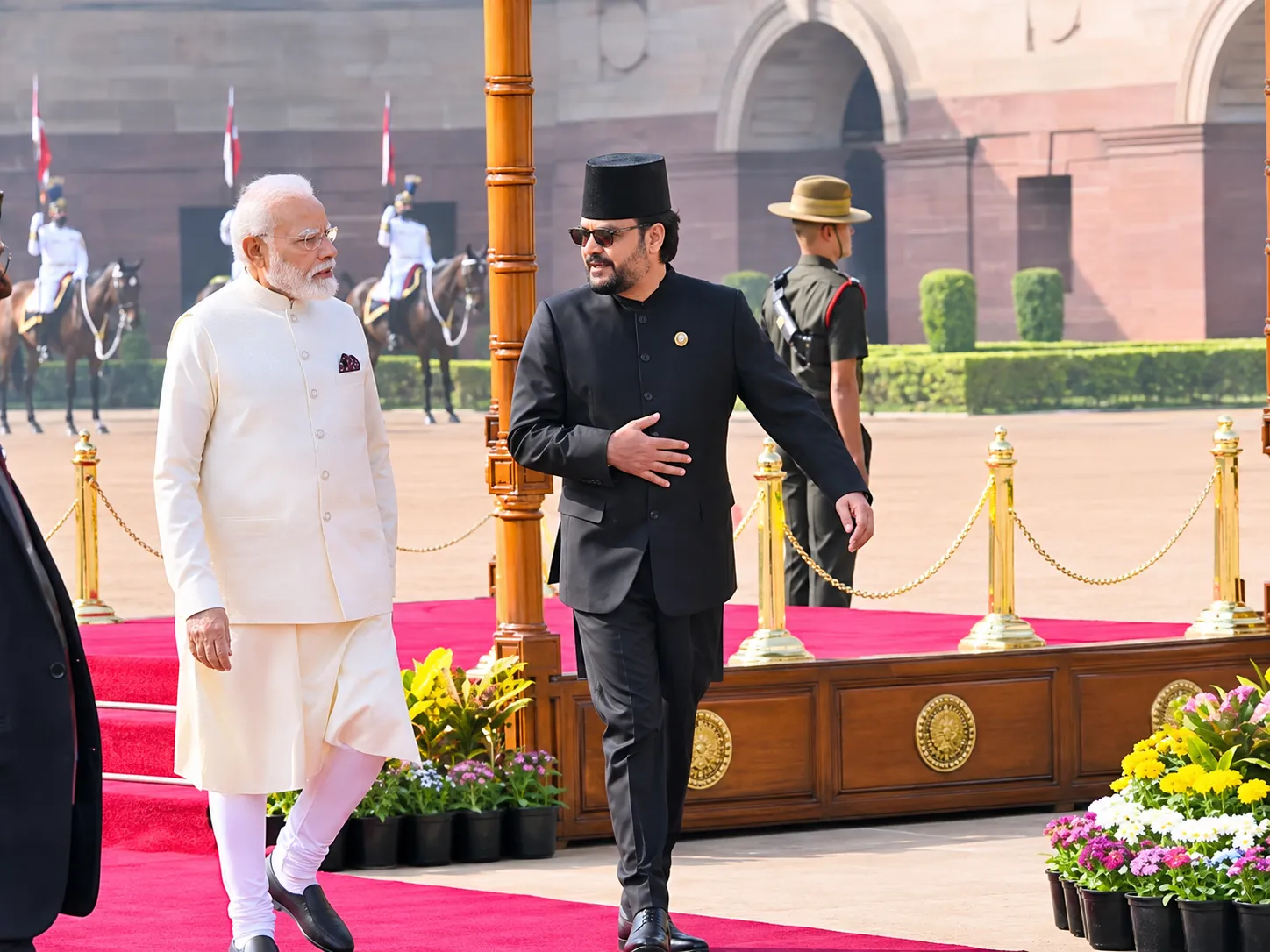
- नवी दिल्ली: बालेन शाह १८ हजार कोटी मागायला आलेले, भारताने दिले २४ हजार कोटींचे पॅकेज; मोदींच्या भेटीनंतर ऐतिहासिक घोषणा आणि 'सरयू-कमल एक्सप्रेस'ला हिरवा झेंडा!
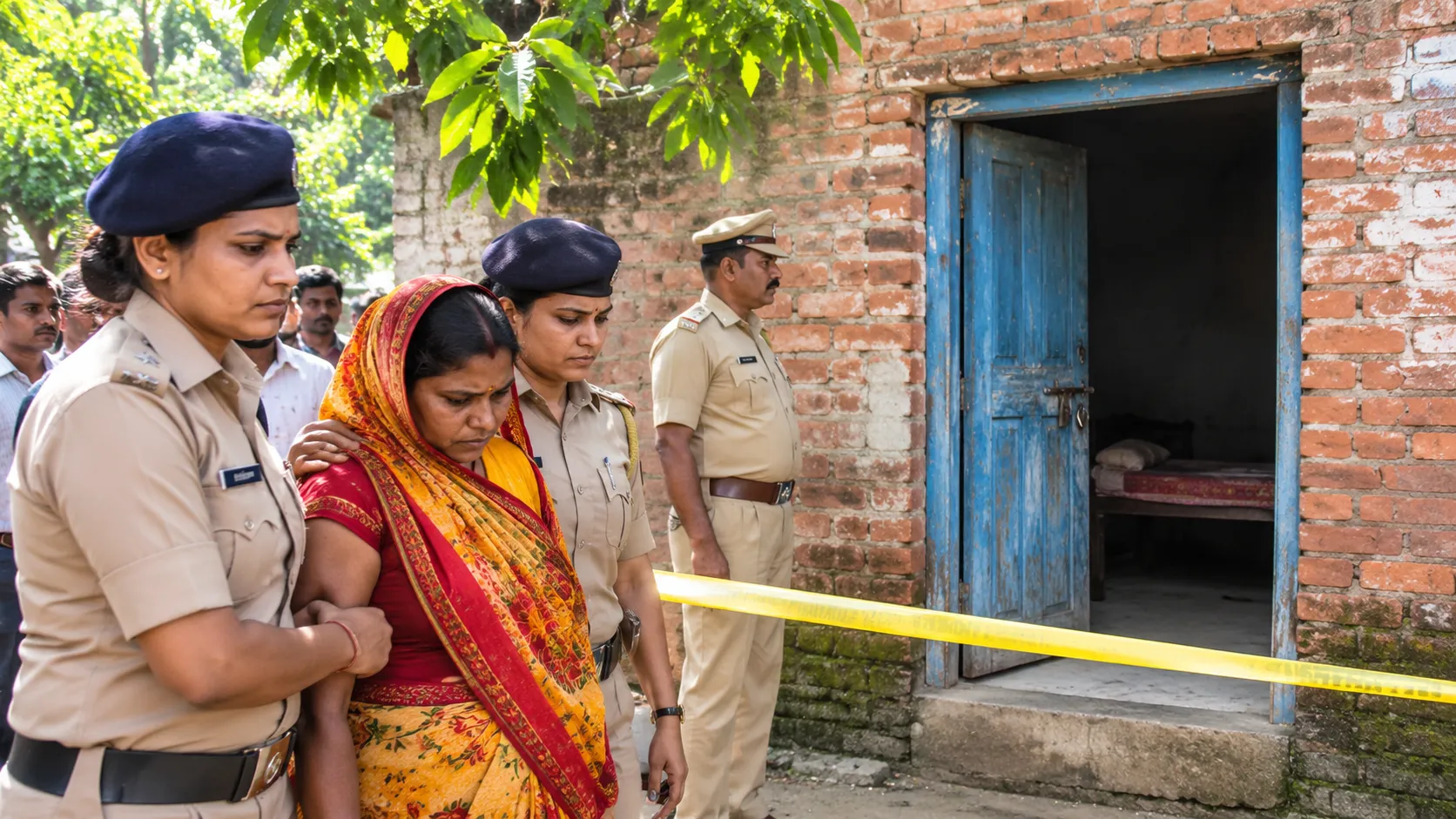
- उत्तर प्रदेश: बुलंदशहरमध्ये धक्कादायक घटना! घरापासून ४० मीटर अंतरावरील बंद खोलीत चिमुकलीचा मृतदेह; जादूटोण्याच्या संशयाने खळबळ, संशयित महिला ताब्यात
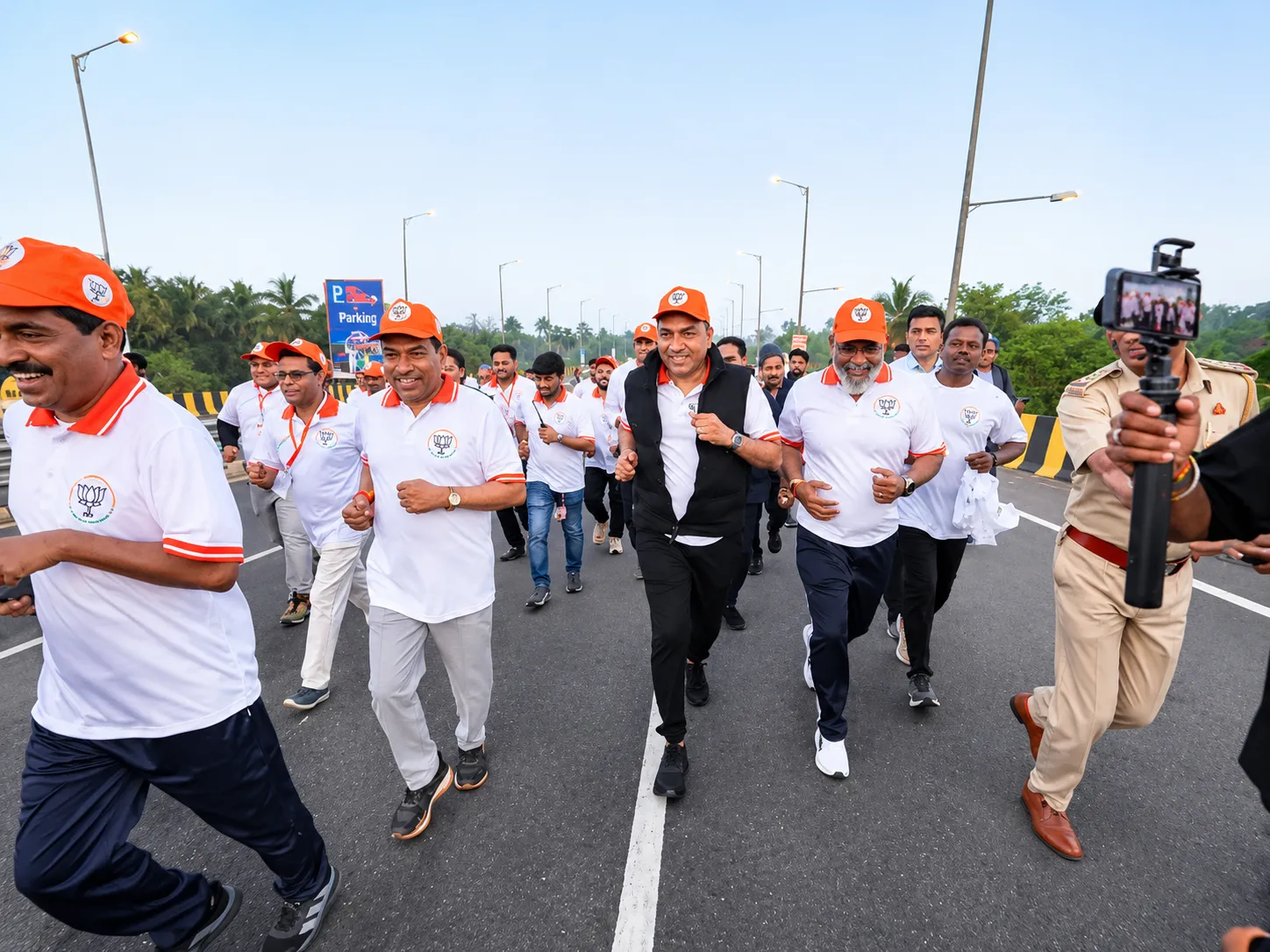
- गोवा: पुढील वर्षापासून गोव्यात दुसरे मेडिकल कॉलेज, आयटीआयच्या दर्जावाढीसाठी २५० कोटींची तरतूद आणि मुख्यमंत्री चषक मॅरेथॉनचा शुभारंभ!